
Which Option Fits the Failure
- Repair often makes sense when one replaceable part has failed and the rest of the appliance remains sound.
- Replacement becomes more practical when structural damage, repeated major failures or discontinued essential parts prevent a lasting repair.
- Compare the diagnosed repair with replacement, installation and disposal together so the decision reflects all the work required.
Match the Decision to the Damage
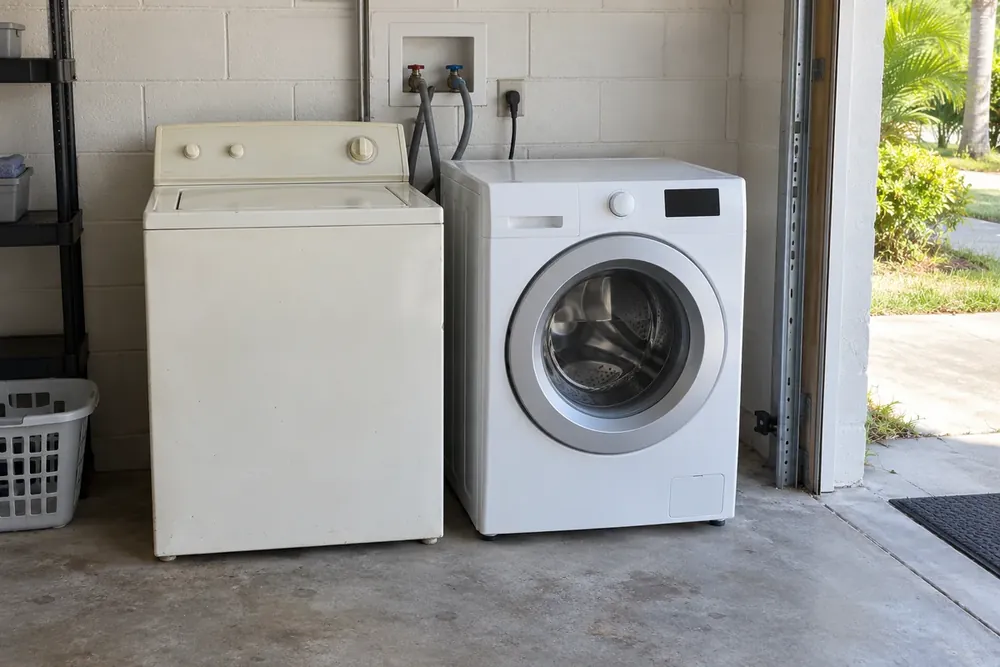
Repair usually makes sense when a specific part has failed and the appliance around it is still sound. Replacement deserves closer consideration when damage affects the main structure or essential parts are no longer made. Call to discuss the symptom and arrange an inspection; age alone cannot show whether an appliance has a straightforward repair left in it.
Refrigerator and Freezer Condition Matters Beyond Cooling
A failed fan stops cold air moving, but replacing the fan may restore operation when the rest of the refrigerator is healthy. A door seal that no longer fits tightly can also be a focused repair. Neither failure automatically means the appliance needs replacing.
A sealed system is the closed loop that moves refrigerant and removes heat. Failure inside that loop on an older refrigerator or freezer can require substantial work. If the cabinet is also deteriorating or failures keep returning, replacement may be the more practical choice. Your technician separates a circulation problem from a cooling-system failure before discussing those options.
Washer and Dryer Structure Can Decide the Outcome
A washer pump moves used water out of the tub. A failed pump can leave the machine unable to drain even though the tub and drive system remain sound. A fill valve controls incoming water, so an isolated valve failure may also justify repair. A cracked water-holding tub is different: replacing one small component will not restore the damaged structure.
A dryer belt transfers motor movement to the drum. Replacing a worn belt can restore tumbling without replacing the appliance. Rust through the drum, however, damages the surface that carries clothing and calls for a broader replacement decision. Repeated overheating also requires attention to its cause, rather than repeated replacement of the same safety part.
Cooking and Dishwashing Repairs Depend on Safe, Sound Parts
A dishwasher with a worn pump or door switch may be worth repairing when its tub and racks remain serviceable. The switch tells the controls whether the door is closed. Leaks from a structurally damaged tub make replacement more compelling than another attempt to address surrounding parts.
An electric oven with a failed element or temperature sensor may have a focused repair. An essential control board that is no longer made can prevent a practical repair despite a sound oven cavity. For microwaves, door condition is part of the decision: the FDA's microwave safety advice says to stop using an oven whose door will not close firmly or is bent, warped or otherwise damaged. Leave the case closed for professional assessment.
Compare the Failed Part With the Whole Appliance
The failure and the surrounding condition together indicate whether repair is a reasonable investment.
| Appliance | Usually worth repairing when | Usually time to replace when |
|---|---|---|
| Refrigerator or freezer | A fan or seal has failed and the cabinet remains sound | An older unit has major sealed-system failure alongside other deterioration |
| Washer | A pump or fill valve fails in an otherwise sound machine | The water-holding tub is cracked and replacement involves extensive work |
| Dryer | A belt or door switch is the isolated fault | Rust has eaten through the drum and other components are deteriorating |
| Dishwasher | A replaceable pump fails and the tub remains intact | Structural tub damage causes recurring leaks |
| Electric oven | An element or sensor fails with suitable parts still made | A discontinued essential board prevents restoration of normal operation |
| Microwave | A replaceable switch fails and the door and cavity remain sound | Significant door or cavity damage makes safe restoration impractical |
| Ice maker | A replaceable fill valve fails and the cooling system works | Major cooling failure combines with unavailable essential parts |
Replacement Includes Removal and Responsible Disposal
Replacement involves delivery, fitting the new appliance and handling the old one. Built-in dimensions and stacked arrangements can add work, so include access and installation in the comparison. One of our local appliance repair partners will discuss the repair scope and price before you authorize that work.
Lee County Solid Waste's curbside services page lists household-appliance pickup among its bulky-item services. Charlotte County's residential curbside service page directs residents using that service to schedule appliance collection. Use the collection instructions for the address when arranging removal after a replacement decision.
Refrigerators and freezers need appropriate handling of their cooling systems. EPA's safe disposal requirements place responsibility on the final disposer to ensure remaining refrigerant is recovered before final disposal. Arrange collection through the applicable program; leave the sealed cooling system intact. Disposal planning follows the repair-or-replacement decision and does not need to delay your call.