
Calls answered 24/7 for appliance repair(239) 493-1333

Cape Coral, Florida

Commercial Appliance Repair in Cape Coral, FL

Call (239) 493-1333Calls answered 24/7

Our local appliance repair professionals in Cape Coral find the airflow, water-flow and control faults that often interrupt refrigeration, kitchen equipment and shared laundry. Call about the warm reach-in, stopped ice machine or unfinished wash cycle, and your technician takes the repair forward.

  • Calls answered 24/7
  • Restaurants, rentals, laundry rooms
  • Serving Cape Coral and nearby
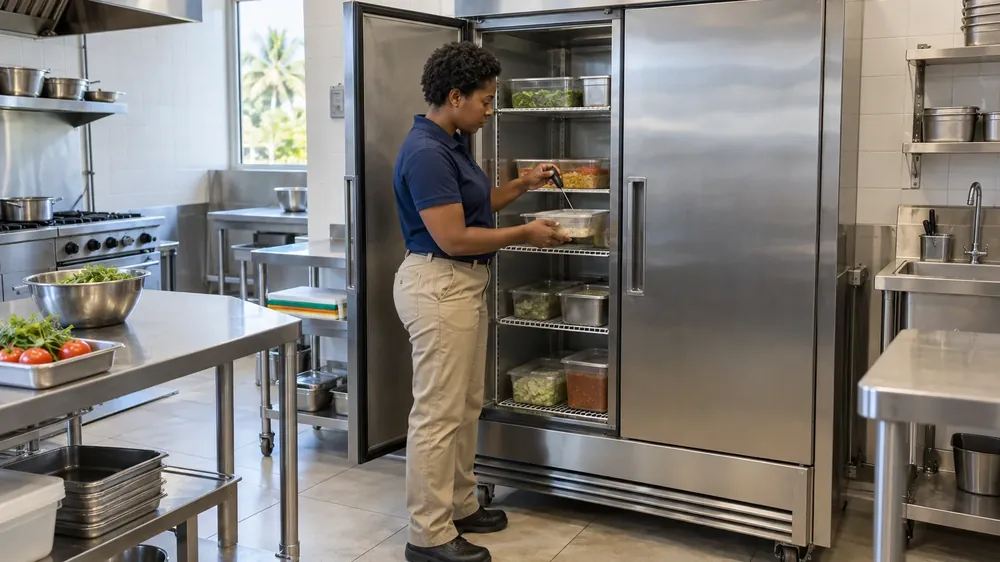
Technician checking a stainless reach-in refrigerator with a probe thermometer in a restaurant kitchen

Businesses and Buildings Covered Around Cape Coral

  • Restaurants, cafes and bars. Repair covers walk-in and reach-in coolers and freezers, ice machines, electric ranges, ovens, fryers, food warmers and commercial dishwashers.
  • Retail stores and markets. Reach-in refrigerators, display coolers and freezers receive checks for cooling loss, door-seal trouble and unusual running patterns.
  • Workplaces and staff rooms. Offices, warehouses, storage buildings, medical offices and dental offices receive service for staff-kitchen refrigerators, dishwashers and microwaves.
  • Apartments and condominiums. Landlords, condo associations and property managers can call about kitchen appliances across several units and equipment in shared laundry rooms.
  • Vacation rentals and seasonal homes. Property managers arrange household appliance repairs between guests or seasons, including refrigerator, washer, dryer and electric oven faults.
  • Laundromats and community laundry rooms. Commercial washer and dryer repairs address stopped cycles in laundromats, apartment buildings and RV communities.
  • Schools and churches. Kitchen and fellowship-hall calls cover refrigeration, cooking equipment, dishwashers and ice machines used for meals and gatherings.
  • Hotels and motels. Guest laundry equipment, ice machines and breakfast-kitchen appliances receive checks that address interrupted washing, cooling and food preparation.
  • Marinas. Ice machines and break-room appliances receive attention when lost ice production or failed kitchen equipment interrupts the working day.

Commercial Appliance Faults That Disrupt Daily Work

  • Warm coolers and freezers. Dust on heat-release coils, a failing fan or a loose rubber door seal often leaves a walk-in or reach-in struggling to hold temperature.
  • Thin ice, stopped production or leaks. Scale, a restricted water filter or a failing pump may interrupt water flow; commercial ice machine repair traces the water path and checks ice production.
  • Dishwashing and cooking interruptions. A blocked drain or failed heating part can leave a dish machine unfinished, while a temperature sensor fault may stop an electric oven or range holding heat.
  • Warmers and fryers that stay cool. A failed electric heating element or temperature control often leaves a food warmer, holding cabinet or electric fryer unable to reach its setting.
  • Laundry equipment that stops mid-cycle. A blocked drain, worn drive part or restricted dryer airflow may interrupt washing or drying; read any panel code during the call rather than assigning a meaning.
  • Several units with different faults. Repeated use wears seals, pumps and starting parts differently; landlords and managers can describe multiple apartments on one call so each appliance's symptoms receive separate attention.
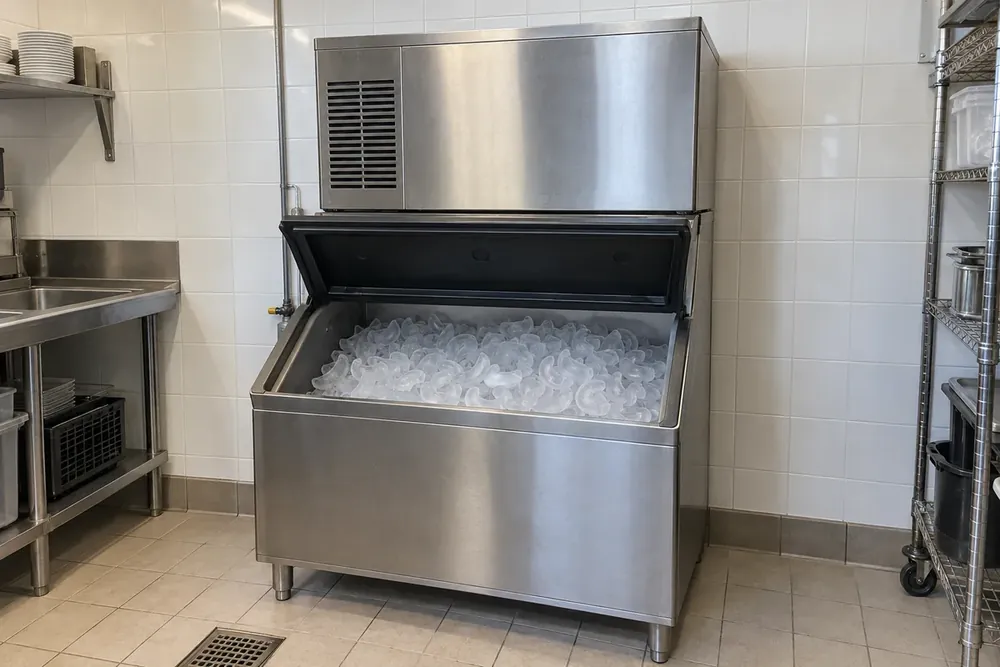
Commercial ice machine above a stainless storage bin with its door raised to reveal ice

Choosing the Next Step for a Failed Unit

The next step depends on the fault, the unit's condition and whether the needed part is ready to fit.

OptionWhen it fitsWhat it involves
Repair nowTesting identifies a repairable fault and the required part is on hand.Approve the work, have the failed component repaired or replaced, and check operation afterward.
Temporary cooling planA replacement component must be ordered.Move food to a working cooler or freezer, keep doors shut, log temperatures and stop using the failed unit for storage.
Replace the unitAn aging unit has extensive cooling-system damage or its parts are no longer made.Compare the repair scope with replacement needs and the building's access limits.

Your technician examines the appliance on site and explains which option fits the findings.

How a Commercial Appliance Repair Moves Forward

  1. Call with the disruption. Describe the building, affected unit, what staff noticed and whether the business is open; share the model and displayed code if handy.
  2. Discuss site access. Your technician takes the next steps with the manager or owner, including where the equipment sits and who authorizes work.
  3. Find and approve the cause. Testing identifies the fault, and your technician explains the proposed repair and price before work starts.
  4. Repair, run and record. After the component is cleaned or replaced, a test run checks operation and the written record documents the work for the owner or manager.

Repair Records for Managers and Property Owners

Keep a separate repair record for each unit so managers can track recurring symptoms and connect each repair to the correct appliance.

  • Photos and identification. Save photographs of the appliance and model label with its building, room or apartment number.
  • Findings and scope. Retain the written cause, proposed work and temperature readings recorded during refrigeration checks.
  • Parts and labor. File the itemized receipt alongside the unit's repair history for the owner or association.
  • A simple event log. Record the date, staff observations, cause found, work completed and results of the operating test.

What Affects Commercial Appliance Repair Cost

Commercial appliance repair cost changes with the equipment, fault and access involved.

  • Equipment and failed part. Refrigeration, ice machines, cooking, dishwashing and laundry equipment need different parts and testing.
  • Make, age and parts supply. An older model or ordered part may involve a return visit.
  • Access to components. An outside or rooftop cooling assembly, built-in unit or stacked laundry adds access considerations.
  • Number of units. Multiple appliances or apartments increase the work to assess and complete.
  • Operating schedule. Before-opening or after-hours work can affect the job.

One of our local appliance repair partners sets out the commercial repair scope and price before you approve the work. See the repair cost factors.

Why Cape Coral Businesses Call

  • Calls answered 24/7. Managers can report a failed appliance whenever the problem is noticed, including when the building's normal working day has ended.
  • Local repair contact. Your technician discusses the appliance, building access and authorization with the person responsible for the equipment, keeping the conversation tied to the job.
  • The cause and scope. Testing connects the symptom to a fault, and the proposed work and price are explained before repair work begins.
  • Records for decisions. Written findings and receipts help owners follow repairs across appliances, apartments and shared facilities.
  • Area coverage. Calls cover Cape Coral, Fort Myers and communities across Lee and Charlotte counties for business owners, landlords and property managers.

Safety Around Failed Kitchen and Laundry Equipment

A failed cooling unit needs food protection as well as repair: keep doors shut to retain cold, following USDA guidance.

  • Cold holding. Equipment used for refrigerated food storage should maintain 41°F or below, with frozen stock kept frozen, following FDA food-establishment guidance.
  • Discarding unsafe food. Discard perishable foods such as meat, poultry, fish and leftovers held above 40°F for more than two hours, following USDA food-safety advice.
  • Gas odor. If anyone smells gas near a range, oven, fryer or dryer, get everyone outside immediately, call 911 and then the gas utility from a safe place, and do not touch switches or devices or try to find or stop the leak, following Peoples Gas emergency guidance.
  • Wet floors. Stop using a leaking ice machine or dishwasher and keep staff away from the wet floor; OSHA walking-surface guidance calls for controlling leaks and spills.
  • Sealed cooling systems. Staff must leave refrigerant-containing parts closed; EPA refrigerant guidance addresses preventing refrigerant releases during service.

Appliance Repairs at Home Too

The same number covers refrigerators, washers, ovens and stoves at home for Cape Coral owners, managers and staff through the home repair pages below.

Commercial Appliance Repair Service Areas

Businesses, landlords and property managers receive commercial appliance repair around Cape Coral, Fort Myers, Estero, Bonita Springs and Port Charlotte, along with communities across the service area.

Commercial Appliance Repair FAQs

Can I call the same number for commercial appliances and home appliances?

Yes, the same line handles calls about commercial equipment and appliances at home. A restaurant reach-in, rental refrigerator and household freezer may all lose cooling for different reasons. Describe the building and equipment when you call so the repair conversation starts with the way that particular unit is used.

Which commercial appliances does the service cover?

Commercial service covers walk-in and reach-in coolers and freezers, ice machines, commercial dishwashers, electric ranges, ovens and fryers, food warmers, and commercial washers and dryers. Report whether the unit stopped completely or still runs without finishing its job. The distinction helps your technician plan the checks for cooling, heating, water flow or movement.

What should a manager do when a walk-in stops holding temperature?

Call for repair and move food to working cold storage, keeping doors shut as USDA advises. Refrigerated food storage should stay at 41°F or below, with frozen stock remaining frozen, according to FDA guidance. Record temperature readings and when the change was noticed so the manager retains a clear account of the failure.

Can a property manager call about appliances in several units?

Yes, a landlord, condo association or property manager can report several units, a vacation rental or shared laundry equipment in one call. Identify each affected appliance and its location as the conversation proceeds. Similar symptoms do not establish a shared cause, so your technician assesses the equipment and discusses the work for each unit.

What repair records should an owner keep?

Keep the model details, location, reported symptoms, written findings and receipts with the appliance's service history. Photographs and recorded temperature readings add useful context for cooling failures. A dated log helps the owner or property manager distinguish a repeat fault from a different problem affecting the same machine.

What changes the cost of a commercial appliance repair?

Equipment type, the failed component, access and the number of appliances affect the work involved in commercial appliance repair. A stacked washer needs different access from a reach-in cooler. Model age, ordered parts, return visits and work outside normal operating hours also shape the scope discussed before you approve the repair.

Cape Coral restaurant owners, landlords and property managers: call now about the failed unit interrupting food storage, kitchen work or laundry.

Call (239) 493-1333
Call (239) 493-1333